
Warranty Claim Walkthrough: The Minimalist Version
The verdict
File the airline damage claim at the airport, not at home, since checked-bag windows can be as short as 24 hours and require photos, a report number, and an unsigned acknowledgment form. Manufacturer warranty claims instead need proof of purchase and close-up photos of the actual failure point. Expect repair, replacement parts, or store credit over two to six weeks, not an automatic swap.
When the Airline Actually Damages Your Bag
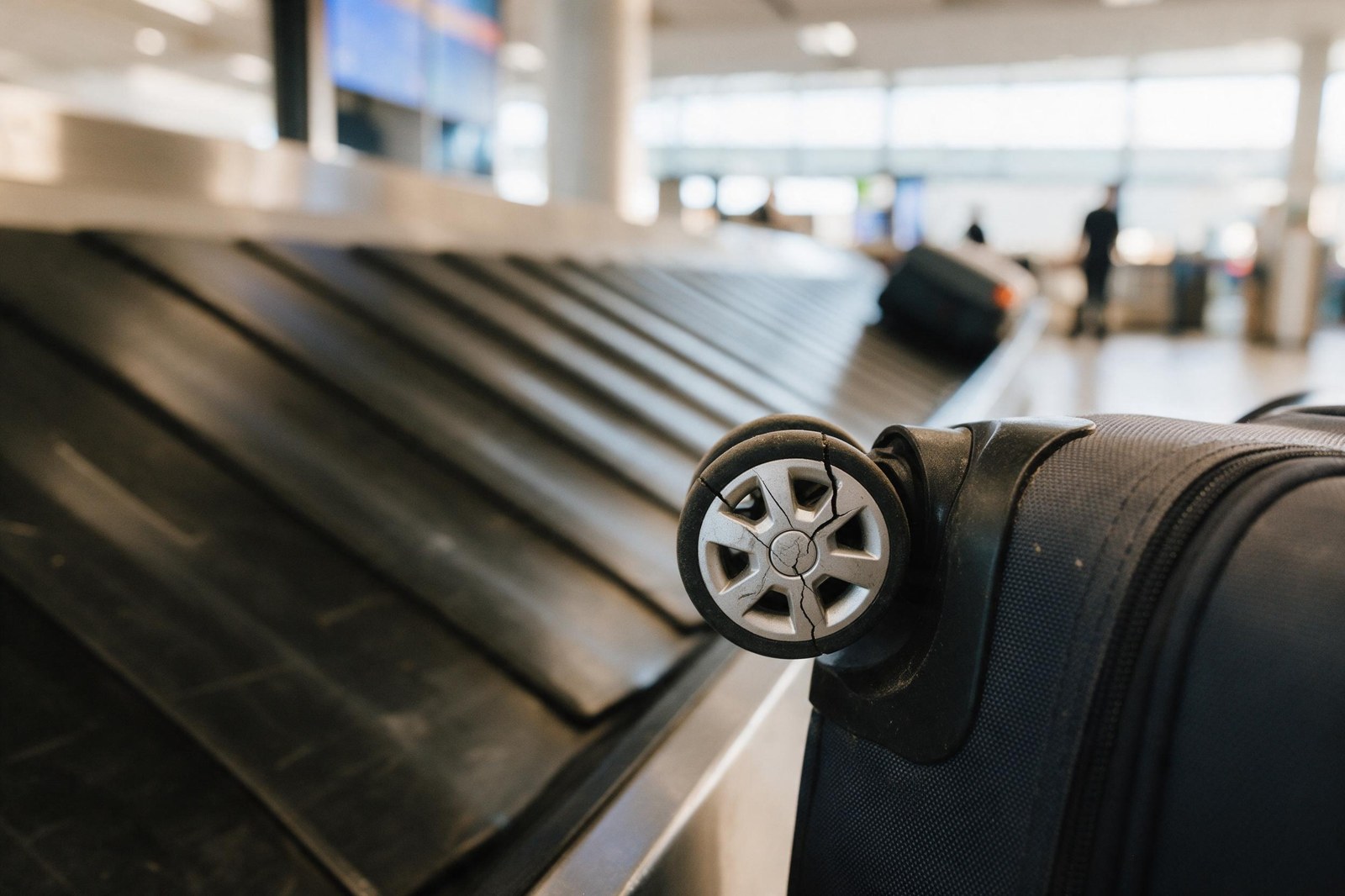
Three trips ago, my daughter's rolling backpack came off the belt at Newark with a wheel dangling by a thread of plastic. She was nine. She cried in the terminal, not because the wheel mattered to her, but because it was pink and it was hers and now it was broken. I filed the claim standing at baggage services with a toddler on my hip and a boarding pass for a connecting flight in ninety minutes. It worked out. Most claims do, if you do the paperwork in the right order and don't wait.
Warranty and damage claims are two different animals, and families tend to confuse them. An airline damage claim is about something the carrier broke between check-in and pickup. A manufacturer warranty claim is about something that failed on its own, like a buckle that cracked in two, a wheel that gave out after normal use, or stitching that let go. This is the short version of both, written for parents who do not have an extra hour at the airport or the patience for a twelve-step help article.
Step 1: Document it before you leave the airport
If the damage happened in transit, do this before you walk out the doors. Airlines have a window, often as little as 24 hours for checked bags — to accept a claim, and "I'll deal with it at home" is how people lose that window. Photograph the bag from four angles, including the tag still attached. Get a report number from the airline desk. Do not sign anything that says "damage acknowledged, no further claim" without reading it twice; gate agents are busy and sometimes hand you paperwork that closes the door you're trying to open.
Step 2: Sort out whether it's the airline or the manufacturer's problem
This is the fork in the road, and it decides everything after. If a wheel snapped off because the tarmac crew stacked three other bags on top of yours, that's the airline's mess. If the wheel failed because the internal axle wore thin after two years of normal use, that's a warranty conversation with the brand, not the gate agent. Reviewers on one popular carry-on line described exactly this split: one owner's wheel died after two years of heavy travel, then the replacement bag's wheel gave out during its first trip out of the closet, and by then the return window had already closed. That's a warranty case, not an airline case, and knowing which desk to call first saves a week.
Step 3: Find your proof of purchase before you need it
Every warranty claim starts with the same question: when and where did you buy this? Families lose this step constantly because the suitcase was a gift, or bought eighteen months ago on a card that's since been replaced, or ordered through a marketplace seller instead of the brand directly. Screenshot the order confirmation the day you buy anything you plan to check repeatedly. Keep it in the same phone folder as your kids' passport scans. It sounds obsessive. It is not, the first time a zipper pull breaks on day one of a trip and you need the order date to prove it's within warranty.
Step 4: Photograph the actual failure, not just the symptom
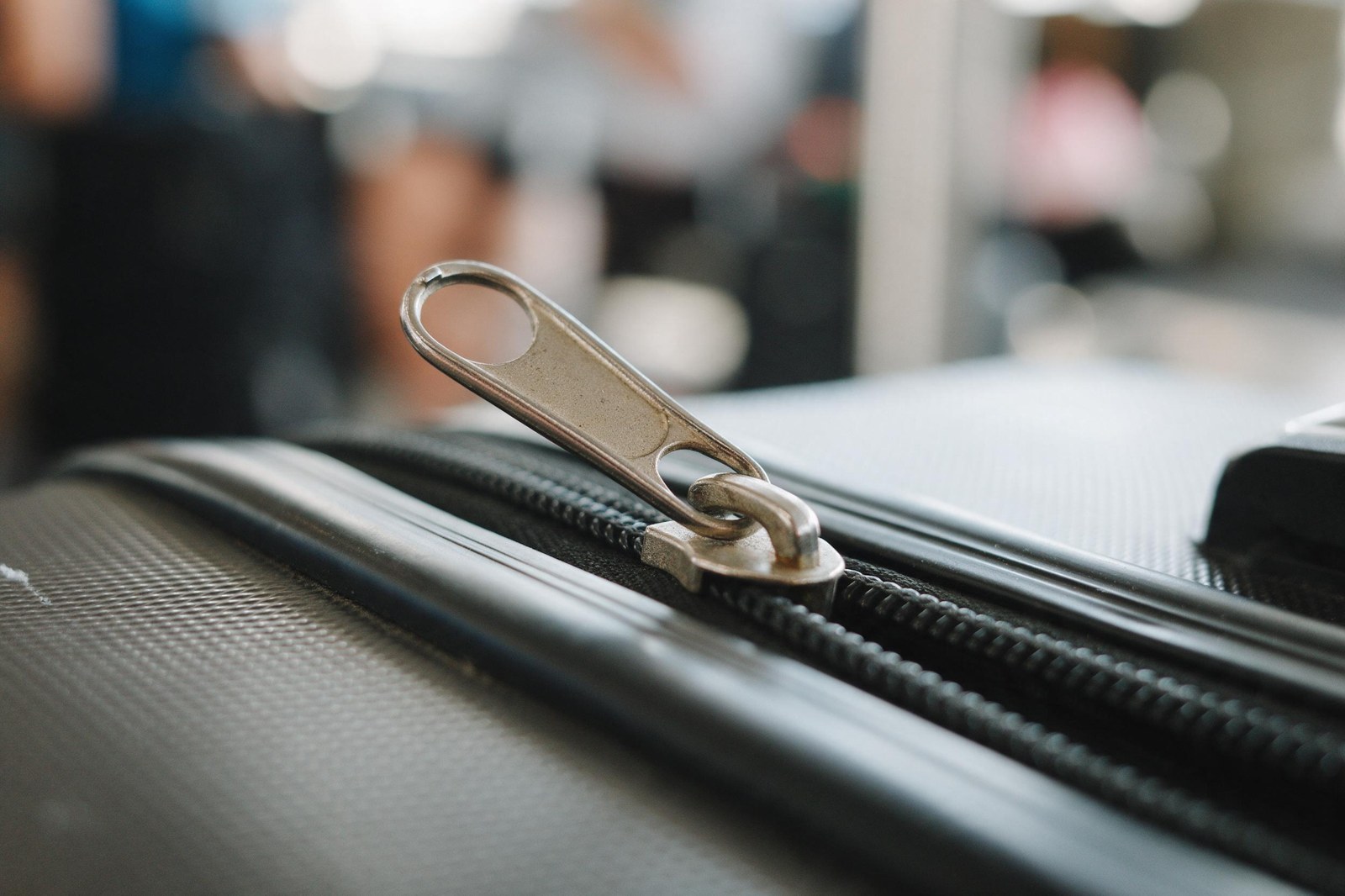
A blurry photo of a suitcase with a zipper hanging open doesn't tell a claims rep anything useful. Get close on the failure point itself, the bent zipper ring, the torn stitching, the cracked wheel housing — and take one wide shot showing the whole bag for scale. Several owners of one carry-on line said the zipper ring loosened and warped until the pull tab snapped off completely, but the slider still moved along the track fine, just harder to grab. That's a fixable-sounding problem in a support ticket, but only if the photo actually shows the bent ring and not just "my zipper is broken."
Step 5: Write the claim like a timeline, not a complaint
Skip the frustration in the opening line. Claims reps read hundreds of these and the ones that move fastest read like a timeline: purchase date, first use, when the failure appeared, what you've tried. "Bought March 2023, used twice for weekend trips, side seam separated on the second trip, no rough handling involved" gets a faster response than three paragraphs about how disappointed you are. Save the disappointment for the review you leave after.
Step 6: Know what most brands will actually offer
Manufacturer warranties on travel gear almost never mean a no-questions replacement. More often it's a repair, a replacement part, or store credit, and the timeline runs two to six weeks depending on whether they need the bag shipped back for inspection. One owner mentioned a broken zip on a 28-inch checked trunk that got swapped out with no argument at all — so smooth outcomes do happen. But that's the exception worth hoping for, not the baseline to expect.
Step 7: Check your bag against carry-on rules before you claim size damage
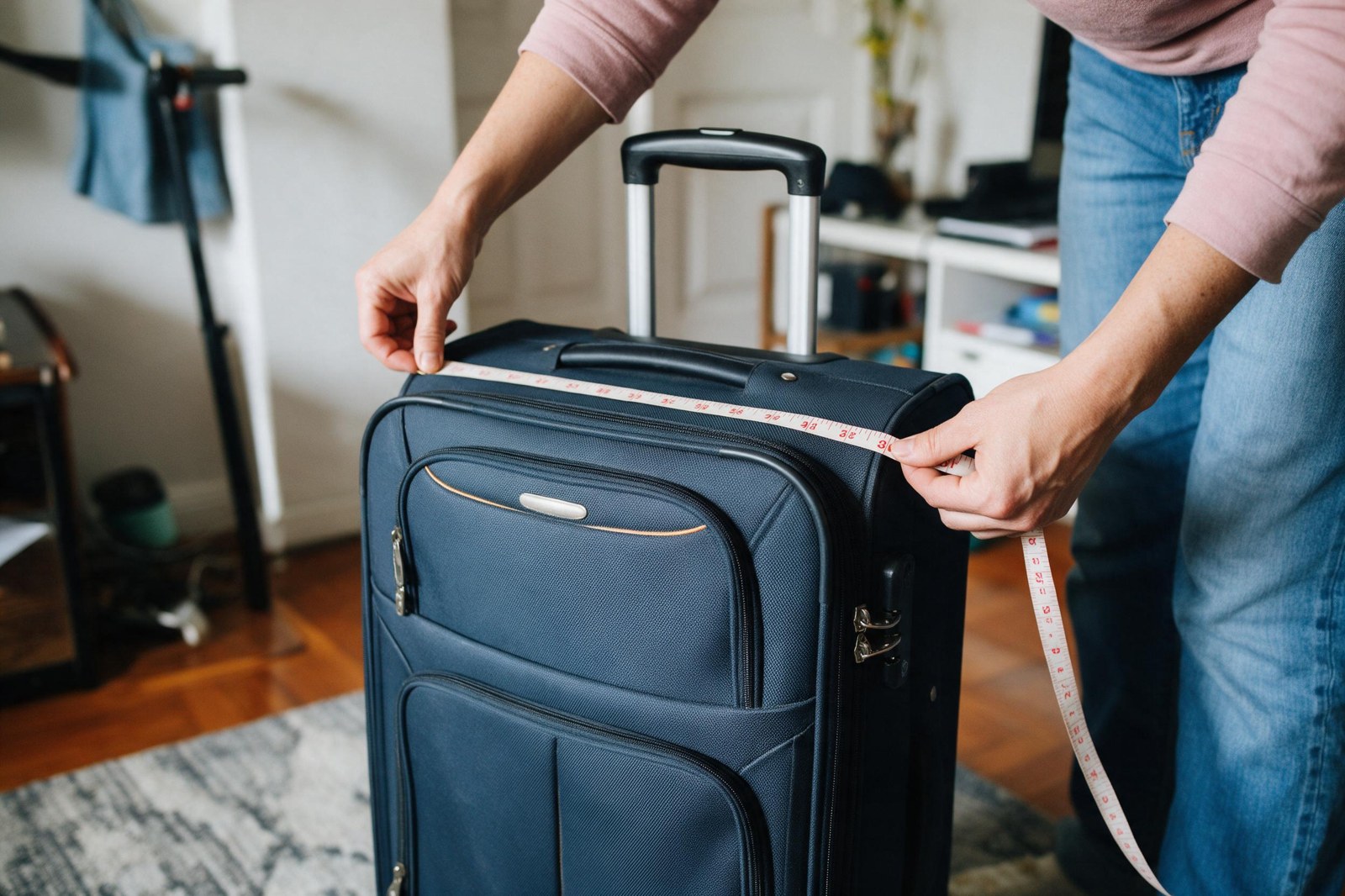
This one trips up more families than it should. If a gate agent forces you to check a bag you packed as a carry-on, measure it yourself instead of just assuming they got it wrong. One popular carry-on model measures roughly 22 x 14.5 x 10 once you've stuffed it full, which edges past the 22 x 14 x 9 size that most major US carriers agree on as the standard carry-on cutoff. That half-inch is what separates a free gate-check from a ~$50 fee, and it's not a warranty issue at all. It's a packing-list issue. Measure your bag at home, at its widest point, including wheels and side pockets, before your next trip.
Where each case type actually lands
| Situation | Who to contact | Typical timeline | What to bring |
|---|---|---|---|
| Wheel or handle broken by airline handling | Airline baggage services | 24–48 hrs to file | Report number, photos, boarding pass |
| Zipper or stitching failed under normal use | Manufacturer support | 1–2 weeks to first response | Proof of purchase, close-up photos |
| Bag oversized at the gate | Not a claim, it's a fee dispute | Same day | Your own tape measure |
| Wheel fails again after a warranty replacement | Manufacturer, escalate to supervisor | 2–6 weeks | Both order numbers, dated photos |
 My own case, a Level8 backpack my older kid uses for soccer tournaments, has held up through three seasons with nothing worse than a stiff zipper pull, so I haven't had to test their claims process myself. Small sample, but it's the one bag in the house that hasn't come home from a trip with a new complaint attached.
Warranty Claims: Common Questions
Does travel insurance cover the same thing as a manufacturer warranty? No. Travel insurance covers loss, theft, and sometimes delay. It rarely covers gradual wear on the bag itself, that's the manufacturer's job.
What if I bought the bag secondhand? Depends entirely on the brand. Some warranties are tied to the original purchaser and receipt; others transfer with the bag. Check it out ahead of time, not once it's already broken.
Can I claim a scuffed corner or scratched shell? Generally no. Airlines and manufacturers both treat cosmetic wear as normal travel damage, not a defect.
How long do I actually have to file with the airline? Often just 24 hours for checked-bag damage, sometimes up to seven days depending on the carrier. Assume the shorter window and file at the airport.
Is it worth arguing with a gate agent about carry-on size? Only if you've measured your own bag and you're certain. Otherwise you're arguing from a weaker position than you think.
Do kids' bags get treated differently by baggage services? Not officially, but a claims rep dealing with a crying nine-year-old and a broken pink wheel tends to move a little faster. Use that honestly, not as a tactic.